Glass Industry
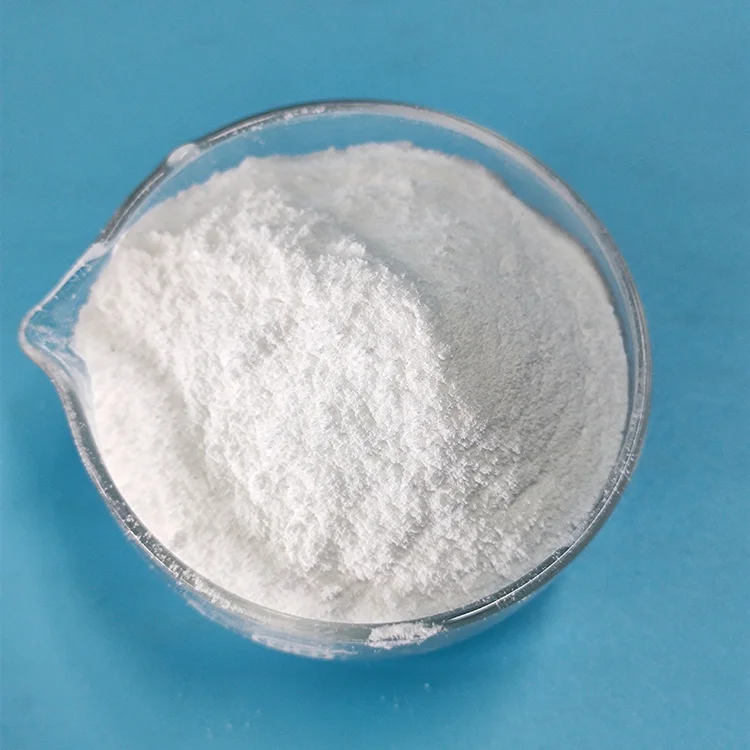
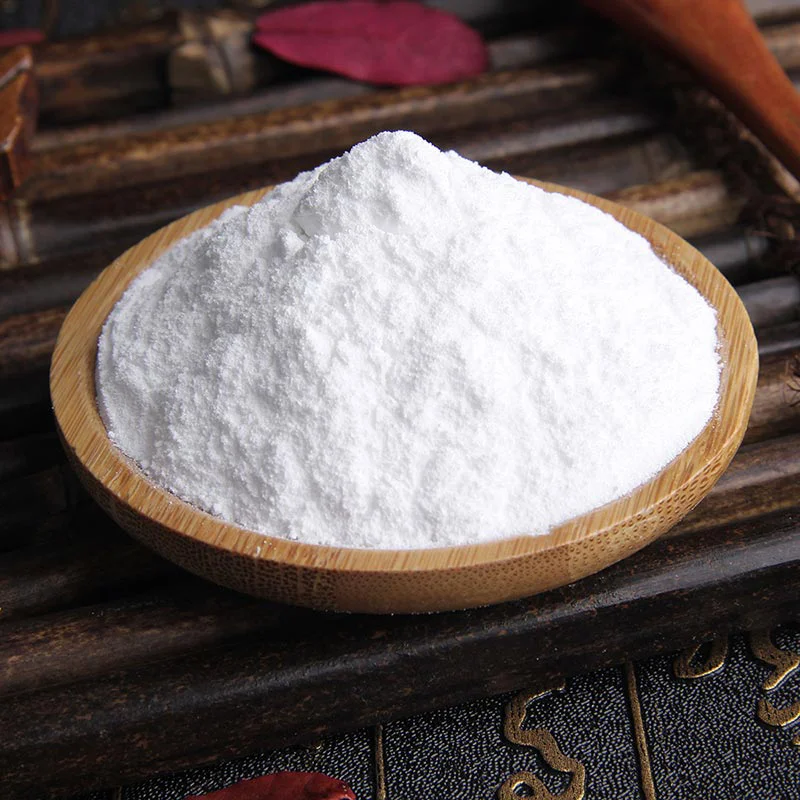
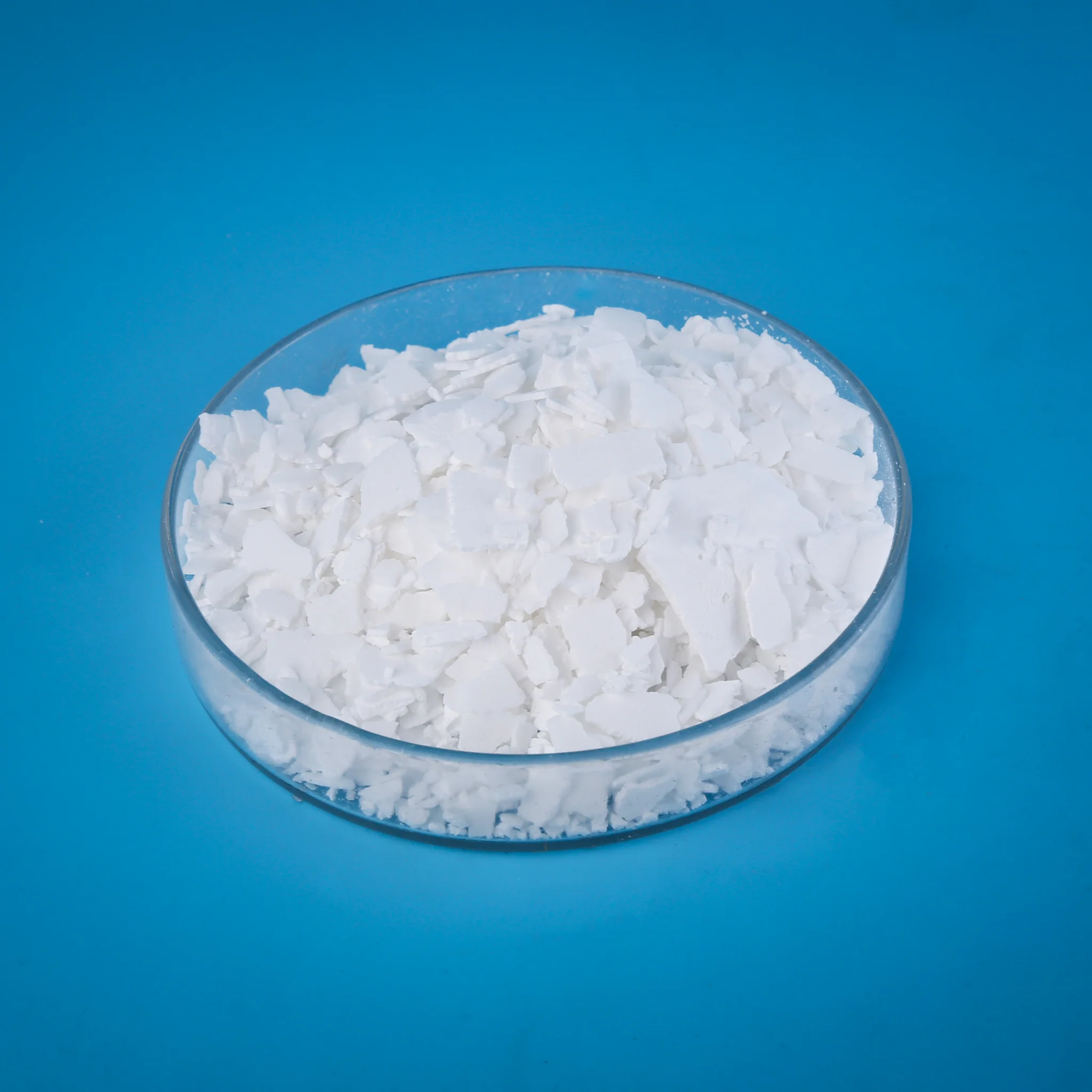
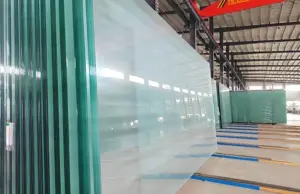
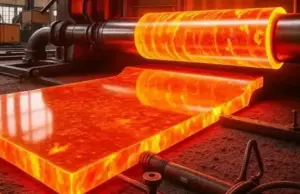
Soda ash, chemically known as sodium carbonate, is the primary and most critical flux raw material for glass production, with dense soda ash being the main grade adopted (characterized by uniform particle size, low dust generation and stable melting performance).
As an irreplaceable basic flux for soda-lime-silica glass, soda ash delivers core functions including lowering melting temperature, homogenizing raw materials, clarifying air bubbles and adjusting forming viscosity. The glass industry exclusively purchases dense soda ash, which is widely applied in various glass products such as architectural float glass, daily-use bottles and jars, photovoltaic glass, automotive glass and pharmaceutical glassware. It is an indispensable bulk raw material across the entire glass manufacturing industrial chain.



Daily Chemical & Detergent Industry
Light soda ash is exclusively adopted in the daily chemical and detergent industry. Featuring fine powder texture, fast dissolution rate and rapid chemical reaction, it serves as the core basic raw material for laundry powder, industrial cleaners and soap products. Its key functions fall into five categories: water softening, stain emulsification, pH buffering, saponification and dirt dispersion. Its applications are mainly divided into two major segments: household washing products (civil daily chemicals) and industrial cleaning products (industrial daily chemicals).
Household Washing Products (Civil Daily Chemicals)
There are four main application categories:
- Laundry powder (largest consumption volume): Light soda ash acts as a functional base filler in laundry powder, with a dosage proportion ranging from 10% to 30%.
- Production of solid laundry soap, transparent soap and soap base.
- Liquid laundry detergent, dishwashing liquid and kitchen & bathroom cleaners.
- Scale removers compounded from light soda ash and sodium bicarbonate; light soda ash is also the primary raw material for drain cleaners, fabric yellowing & stain removers and carpet stain cleaners.
It has four major application fields:
- Textile industrial cleaning (pretreatment auxiliary agents)
- Metal surface degreasing & cleaning
- Deinking agents for papermaking
- Industrial cleaners for vehicles, exterior walls and pipelines
Summary
The detergent and daily chemical industry ranks as the second-largest consumption market for soda ash, where light soda ash is the primary grade used. Its core advantages include hard water softening, grease emulsification, stable alkaline washing environment and dirt suspension. It covers full application scenarios including laundry powder, soap products, kitchen & bathroom cleaners, industrial metal degreasing, textile scouring and waste paper deinking, making it the most cost-effective universal washing builder.


Basic Chemical Raw Material Industry
Soda ash (mainly light soda ash) is a core bulk raw material in inorganic chemical industry. It is widely used in the production of inorganic salts, organic chemicals, flue gas desulfurization, water treatment chemicals and various chemical intermediates. It is an indispensable neutralizing and carbonating raw material for manufacturing caustic soda, sodium bicarbonate, phosphates, chromium salts, silicates and other products.


Printing and Textile Industry
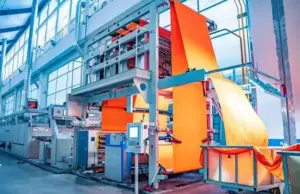
Only light soda ash is used throughout textile printing and dyeing processes. It dissolves rapidly with mild and controllable alkalinity, serving as the core alkaline agent for pretreatment and dyeing of cotton, linen and rayon fabrics. It is indispensable for nearly all cotton fabric processing. Its key functions include scouring and degreasing, desizing, mercerization, fixation of reactive dyes, and neutralization during washing.


Paper Making Industry
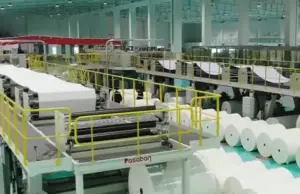
Light soda ash is the primary grade adopted in the papermaking industry, whose applications fall into three core segments: chemical pulping, waste paper deinking, as well as papermaking wastewater treatment and auxiliary agent adjustment. It acts as a vital alkaline raw material for alkaline papermaking processes.




Metallurgical Industry
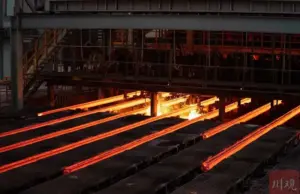
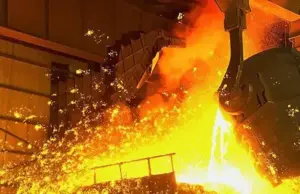
Dense soda ash is predominantly used in the metallurgical sector. It generates minimal dust under high-temperature working conditions and delivers stable melting reactions, covering five major application scenarios: non-ferrous metal flotation, rare earth separation, steel desulfurization, smelting slag formation and metal refining.



Water Treatment Industry
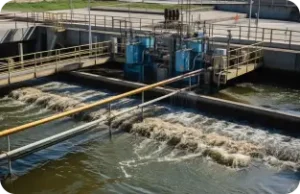
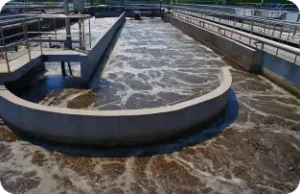
Light soda ash is the main grade used throughout water treatment processes. It dissolves quickly and can rapidly adjust water alkalinity, being widely applied to industrial circulating water, boiler feed water, wastewater neutralization, heavy metal removal and municipal tap water treatment.
Soda ash has three core functions in water treatment:
- Neutralize acidic water, buffer and stabilize pH value to protect pipelines and equipment;
- Precipitate calcium and magnesium ions, reduce water hardness and prevent scaling;
- Precipitate heavy metals and supplement alkalinity in biochemical tanks to ensure wastewater discharge meets standards.


Rubber and Plastics Industry
Soda ash serves as an auxiliary functional alkaline agent rather than a primary raw material. It is widely used in auxiliary agent synthesis, production process adjustment, raw material neutralization and cleaning procedures. Light soda ash is commonly adopted in the rubber and plastics industry for its fast dissolution and uniform mixing performance.
Soda ash does not directly participate in the forming of finished rubber and plastic products. Its four core functions are listed as follows:
- Synthesize vulcanization, stabilization and foaming additives for rubber and plastics;
- Stabilize the pH value of natural latex and resin;
- Degrease and remove printing ink from new and waste rubber and plastic raw materials via cleaning;
- Adjust water quality for production circulating water and mold cleaning.


Building Materials and Other Industries
In the building materials sector, soda ash mainly acts as a flux to lower kiln temperature and improve the surface quality of ceramic glazes. In the leather industry, it is primarily used for degreasing and post-tanning neutralization. In food and pharmaceutical fields, it functions as an acidity regulator and neutralizing raw material. Covering numerous light industry and consumer livelihood segments, soda ash is a highly versatile basic inorganic raw material.